Commercial Solar Installations in Greater Manchester
Commercial solar installations across Greater Manchester for factories, warehouses, retail and hospitality, designed against your actual half-hourly consumption.
Certified, registered and independently checked






If your business is spending hundreds or thousands a month on electricity, commercial solar can cut that down sharply. We design and install systems and model the payback from your own consumption figures. Panels commonly carry warranties in the 25 to 30 year range, so there is a long stretch of much cheaper electricity after that. We've worked with factories, retail units, hotels, cafes and bakeries, and we'll put together a solar and battery setup that makes financial sense for the way your business actually runs.
Why commercial properties benefit more than domestic
Commercial electricity prices have gone up sharply over the last few years, and businesses have generally been hit harder than domestic customers. We recently spoke to a Prestwich baker who was spending £10,000 a month on electricity and nearly went under because of it. Another client of ours, a carpet warehouse in Bolton, spends £700 a month. A 50-panel flat-roof design is sized to cover a large share of that daytime load, with the generation and payback figures modelled from their own consumption and the assumptions written down alongside them.
The maths works particularly well for commercial because businesses use electricity during the day, which is when solar is generating the most. Domestic properties typically use most of their electricity in the evening, which means you usually need battery storage to make full use of solar. Commercial properties consume the energy as it's generated - so you're using nearly every kilowatt-hour the panels produce, and that's what shortens the payback.
Real examples from our commercial work
We're currently working with a carpet and interior design warehouse in Bolton. They own the building, they've got a large flat roof going unused, and they were spending £700 a month on electricity. We've put two options together for them: a 50+ panel system covering just the flat roof; or a larger 115-panel system using both the flat roof and the pitched sections, which costs more up front but generates more on top of that. Either way they're looking at much cheaper electricity afterwards, plus payment for exported units through the Smart Export Guarantee.
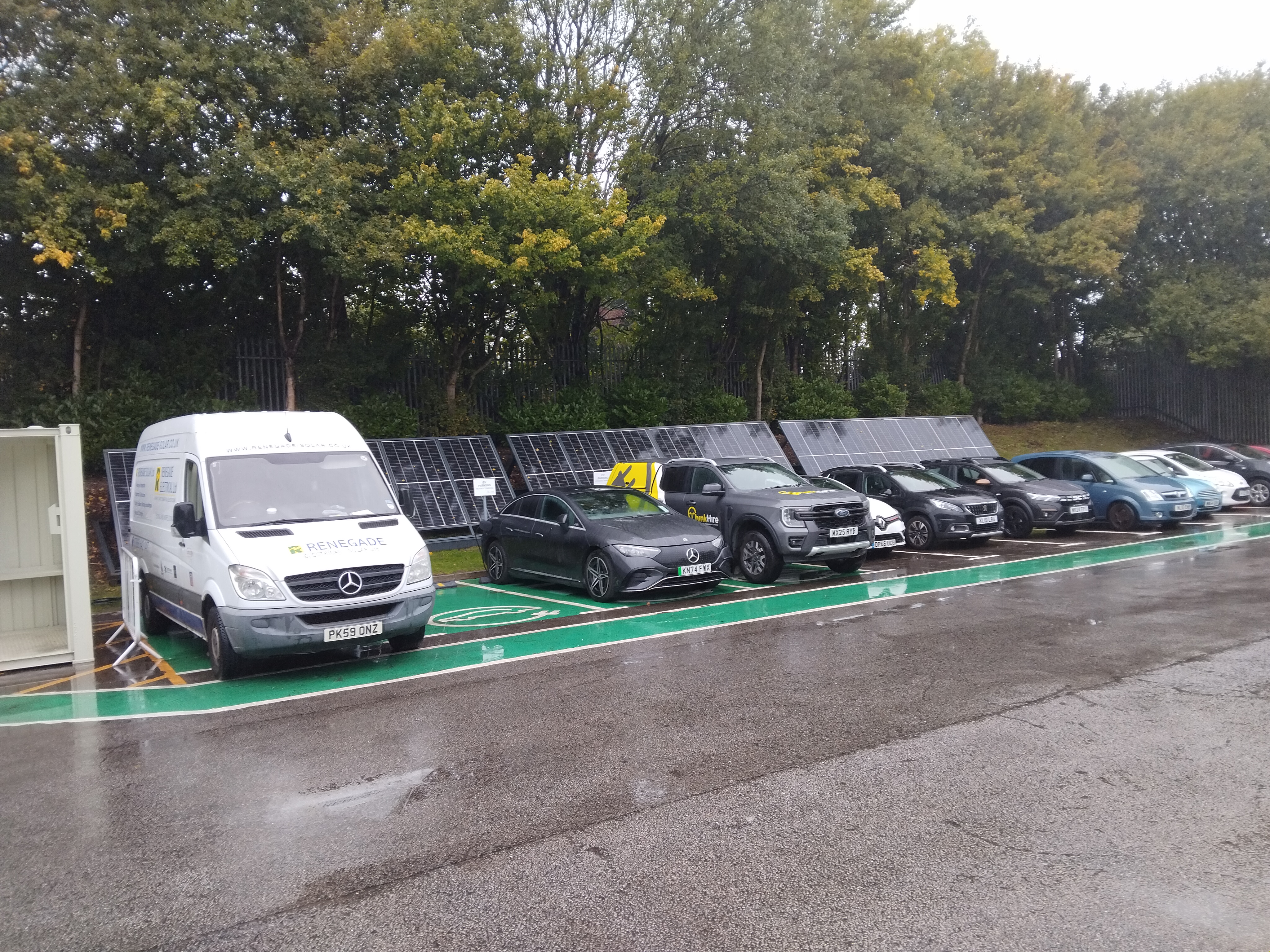
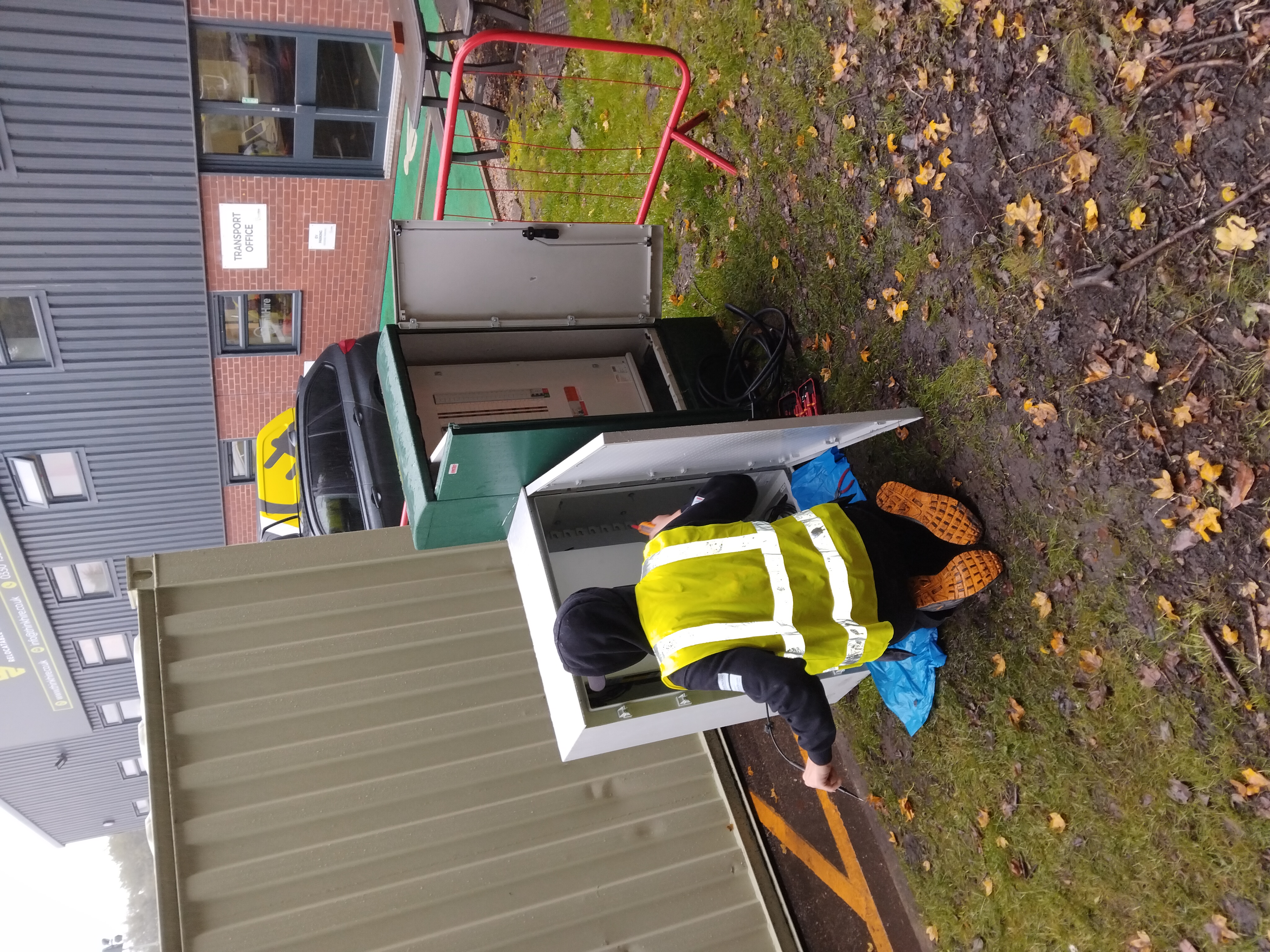
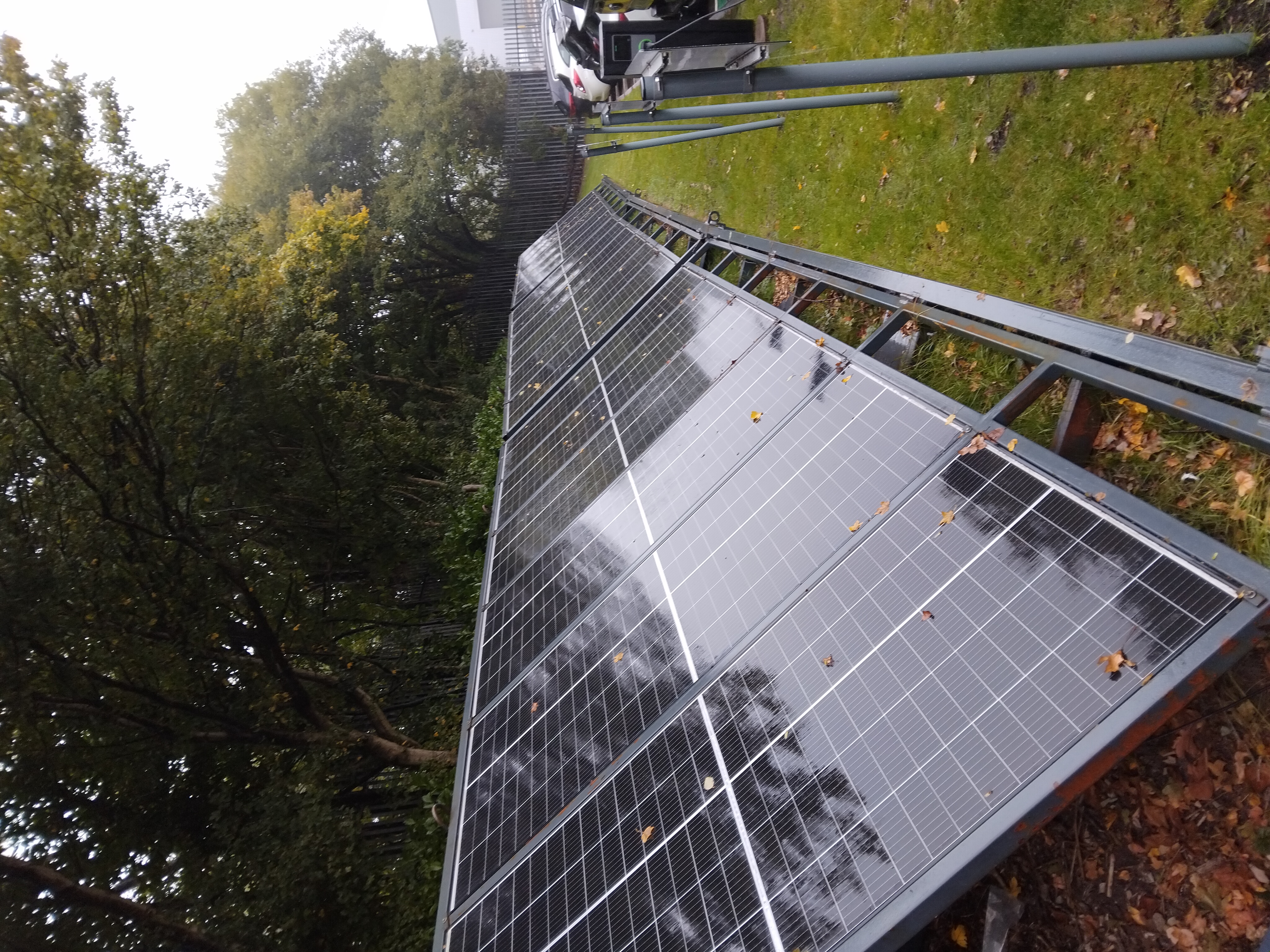
We've also installed ground-mounted solar systems connected to outdoor fuse boards for businesses that want to offer free EV charging to their staff. It's a useful staff benefit, it cuts the firm's transport fuel costs, and because it's all running off solar it doesn't add anything to the electricity bill. More on this on our solar carports and workplace EV charging page.
Why flat roofs work well for commercial solar
Flat roofs give us flexibility that pitched roofs don't. We can angle the panels south regardless of which way the building faces, which is why retail units, warehouses and commercial properties with large flat roofs tend to generate plenty of energy through the day. Most flat roofs are sitting there doing nothing - turning them into a solar array typically pays back within a few years, and they keep producing for decades after that.
On smaller buildings, the same idea applies to flat roof solar on garages, extensions and outbuildings. Ashley still checks the roof structure, waterproofing, access and cable route in person, because those details decide whether the job is sensible.
Pitched roofs still work well too, particularly on factories, hotels (Premier Inns are a good example) and larger commercial buildings, which tend to have plenty of roof space. The main requirement is that you need to own the building rather than lease it, and ideally you're planning to keep the property long-term so you can see the full payback.
Ground-mounted systems are another option if you've got spare land, a grass verge or outdoor space available. They work particularly well for powering EV charging points for staff cars, or for supplementing a rooftop installation when the roof alone doesn't give you the capacity you want.
Which businesses see strong returns
Factories and manufacturing tend to benefit most because heavy machinery and production equipment mean a lot of electricity goes in. The more you're spending now, the faster the payback. Food businesses - bakeries, cafes, restaurants - are also particularly well-suited because of the kitchens and refrigeration; the £10,000/month Prestwich baker we mentioned could take most of that cost out with a properly sized commercial system.
Retail and hospitality with large roofs - hotels, shops, larger commercial properties - also see strong returns. Cold storage and temperature-controlled warehousing have particularly heavy electricity demands, which makes solar very profitable on those buildings. As a rule of thumb, the more you're currently spending on electricity, the faster solar pays back.
Off-grid commercial solar
For businesses in rural locations, or anywhere a grid connection is too expensive, we can design and install off-grid solar systems. These work well for mobile catering businesses (no diesel generator needed), remote offices, or agricultural operations. The main saving is the ongoing fuel cost for the generator that would otherwise be running. We've done several off-grid installations and can size the system to whatever the operation actually needs.
How the installation process works
When you get in touch, a qualified electrician comes out to assess the property and look at your electricity usage - not a salesperson working from a script. The advice you get is technical and honest about what will actually work, rather than what fits the sales pitch. We then put together design options showing the energy generation, cost savings and payback period based on your actual usage data. Most commercial clients get a few different options - flat roof only, pitched roof only, or a combined approach - with the financial breakdown for each one.
Installations are scheduled around your business operations to keep disruption down, and we coordinate timing with you. Once the install is done, we handle all the grid connection paperwork, provide the electrical certifications, and set up the Smart Export Guarantee arrangement so you can earn income from any excess generation. As MCS-certified installers, every install we do meets the standards required.
“From the start he was extremely friendly, knew what he was talking about and we agreed a price, he came did the job it took longer than he expected but he didn't complain he took his time to finish the job and came back next day to help set it up, I was thoroughly impressed”
Financial benefits and payback
From the moment the system's commissioned, the electricity bill drops sharply. A commercial installation can cover a large share of daytime consumption, and we model the reduction and the payback from your own half-hourly figures. That's faster than domestic installations because commercial properties tend to use electricity during the day, when the panels are generating most.
Panels commonly carry warranties in the 25 to 30 year range, so there is a long stretch of much cheaper electricity once the payback is done. Solar-equipped commercial properties also tend to be more attractive to buyers and tenants, especially as energy efficiency becomes more of a factor in commercial property decisions.
What you need to qualify
The main thing is that you need to own the building. Solar on leased or rented properties doesn't work because you need long-term ownership for the payback to be worth it. You'll also need enough roof space or land - south-facing pitched roofs, flat roofs of any orientation, or ground space all work. The higher your current electricity bill, the better the return, and the longer you're planning to be in the property, the more sense it makes financially.
Coverage across Greater Manchester
Based in Prestwich, we work with businesses across Greater Manchester and the wider North West. We've installed commercial systems in Bolton, Bury, Chadderton, Crumpsall, Lees, Middleton, Oldham, Prestwich, Royton, Saddleworth, Shaw, Stockport, and Whitefield and surrounding areas.
Why work with us
As MCS-certified installers and an Octopus Energy Trusted Partner, we'll give you an honest answer about whether solar makes financial sense for your business. If the numbers don't stack up for you, we'll say so - we'd rather pass on a job than fit something that won't deliver the returns. We handle the work end-to-end: initial design, install, commissioning and aftercare.
Where we can, we work with local roofers, scaffolders and contractors on every project. Our Social Value Policy goes into more detail on this.
Get in touch for a free site survey and a financial breakdown for your business.
Services we offer
Solar, batteries, EV chargers and the electrical work that goes with them, all from the same team.


Solar Panel Installation Manchester
Save money on your bills and cut CO2 with a solar and battery combo.
Read more →

Commercial Solar Installations
Slash business electricity costs with commercial solar
Read more →

EV Charger Installation, Repair, Relocation
Electric vehicle chargers for homes and businesses
Read more →

EICR & Electrical Safety Inspections
Just £150 plus VAT with same-day certificates and no hard sells.
Read more →

Home Battery Installations
Store cheap electricity and slash your energy bills year-round.
Read more →

Electrical Testing in Manchester
Testing, inspecting, and commissioning from an electrician with 20+ years experience.
Read more →How a commercial installation runs
Bigger roofs, more paperwork, same person running it.
-
Site survey
Roof construction and condition, available area, plant and access, the incoming supply and your half-hourly consumption if you have it.
-
Design and modelling
Array layout, mounting method for the roof type, inverter selection and a generation model built against how the site actually uses electricity through the day.
-
Proposal and grid application
Costs and projections in writing, with the assumptions stated. Where the system size requires it, we handle the DNO application.
-
Installation
Scheduled around your operation. Programme depends on roof area, access and scaffolding, and is agreed before we start rather than guessed at.
-
Commissioning and certification
Tested and certified to the applicable BS 7671 requirements, with the documentation you need for your own records and insurers.
-
Monitoring and aftercare
Monitoring set up so you can see generation against consumption, and we stay available afterwards.
Jobs we have actually done
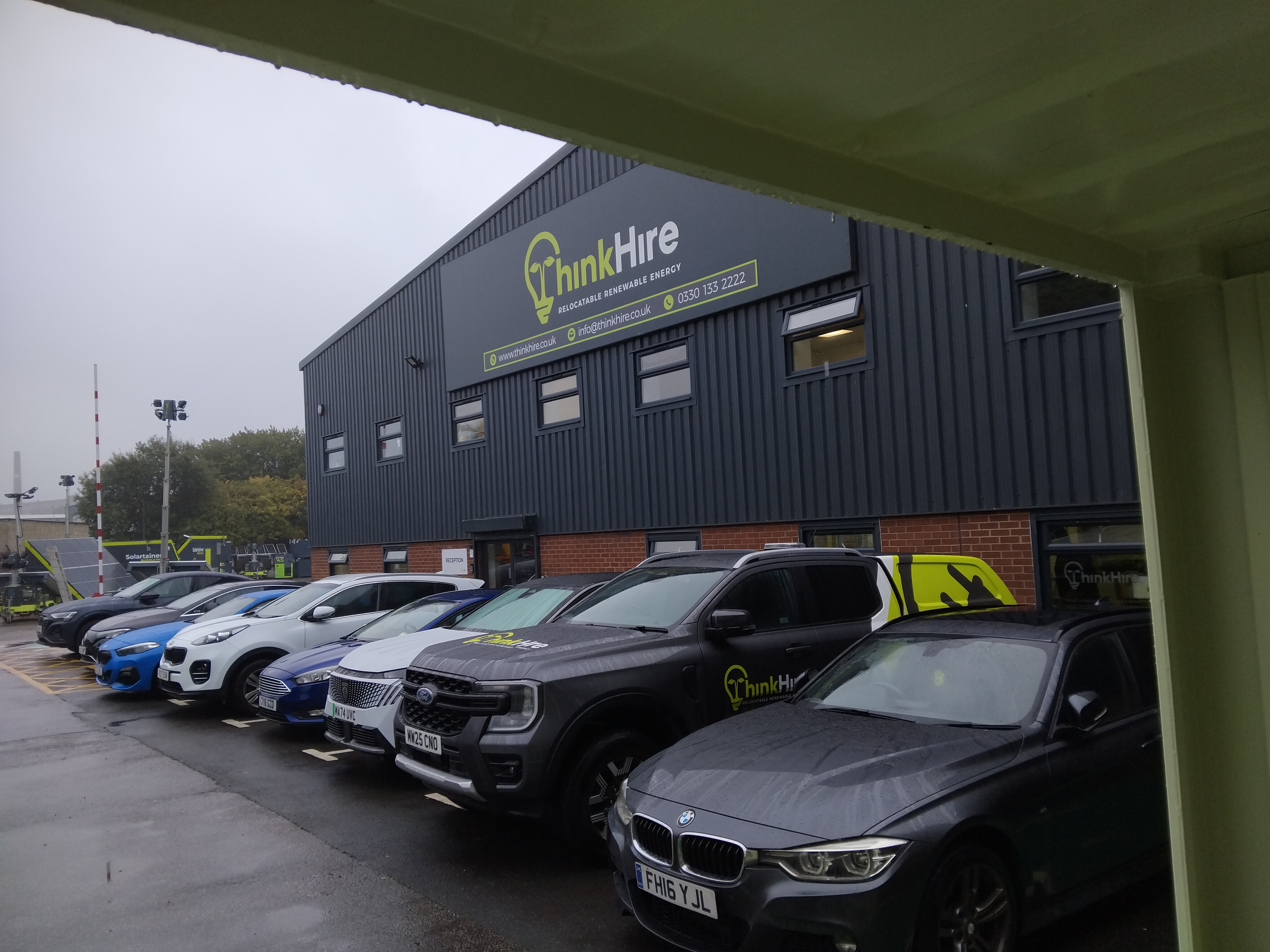
Real roofs in Greater Manchester, photographed on the day. Scroll sideways for more.
The questions we get asked most
What makes commercial solar pay back quickly?
Daytime-heavy electricity use and a big usable roof. A business drawing power while the panels generate uses nearly every unit produced, and that is what pulls the payback in. The figures get modelled from your own half-hourly consumption rather than averages.
Do commercial installations need a DNO application?
Smaller systems are connected and notified under G98, while anything exporting above that needs G99 approval before it connects. We handle the application where the system size requires it, and our /g98-g99-dno-applications-solar-manchester/ page explains which route applies.
How long does a commercial installation take?
It comes down to roof area, access and scaffolding, so the programme is agreed with you before we start rather than guessed at on the day. Work is scheduled around your operation to keep disruption down.
Do commercial solar panels need planning permission?
Permitted development rights are not a given for commercial premises, so each building is looked at on its own terms before anything is ordered. We will tell you where yours stands at survey stage rather than have you find out from the council later.
Can I get commercial solar if I lease my building?
The payback needs a long-term stake in the property, so owning the building is the main requirement. On a lease it becomes a conversation with the landlord, and as a rule it does not stack up for a tenant on their own.
Tell us about the property
Send a message and we'll come back to you within 24 hours, one way or the other. If it's easier, ring Ashley directly.
- A qualified electrician does the survey, not a salesperson
- Free survey and a written proposal with the numbers behind it
- We reply within 24 hours, one way or the other
- No commission, no pressure, no call centre
9.96/10 from 165 verified reviews · MCS NAP-66870 · all our accreditations
 07868 643 147
 renegadeelectrical99@gmail.com
Photo Gallery